Twelve years after its founding, ShanghaiTech University has graduated eight cohorts of undergraduates. To assess the quality of its undergraduate education, the university recently completed an in-depth follow-up survey of its Class of 2020. Of 336 graduates tracked, 281 responded, for a response rate of 83.6%, spanning three undergraduate schools and six majors.
High proportion of graduates pursuing graduate study
Among the Class of 2020, 88.3% went on to further study, continuing an upward trend from the classes of 2018 and 2019. Of those, 64.3% stayed in the Chinese Mainland, enrolling at ShanghaiTech itself, along with top institutions including Tsinghua University, Shanghai Jiao Tong University, the University of Science and Technology of China, and Fudan University. The remaining 35.7% pursued degrees in Hong Kong, Macau, Taiwan, or abroad, with 54.9% of that group admitted to institutions ranked in the QS World University Top 100.
Research output among graduate students from this cohort has grown as well: 62.8% had published academic papers since beginning graduate study, 19.7% held authorized patents, 10.7% had contributed to academic monographs, and 29% had participated in or led major national research projects.
Nearly 80% of graduates remaining in the Chinese Mainland stay in Shanghai, with hiring concentrated in high-tech sectors
Among employed graduates, 78.6% work within the Chinese Mainland, and of those, 77.3% remain in Shanghai. The remaining 21.4% work in Hong Kong, Macau, Taiwan, or abroad, primarily in the United States. Employment in the Chinese Mainland is concentrated in IT and internet services (48.2%) and telecommunications and electronics (16.1%), with both sectors showing continued growth compared to the classes of 2018 and 2019. Smaller shares of graduates work in finance, government, manufacturing, or healthcare and pharmaceuticals.
Within these sectors, job functions skew heavily toward research and development, as shown in Figure 1.
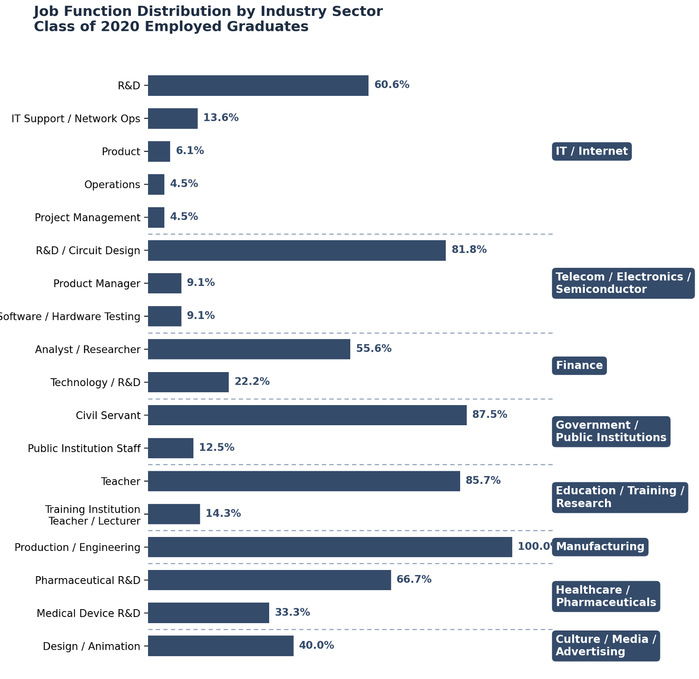
Figure 1. Job Function Distribution by Industry Sector, Class of 2020 Employed Graduates
Strong career trajectories reflect close alignment between graduate skills and industry demand
Employed graduates from the Class of 2020 reported a job satisfaction rate of 84.7%, and 71.6% said their current work is related to their field of study—both figures higher than the national average for graduates five years out from top Chinese universities (83% and 65%, respectively). Among this cohort, 57.7% are employed at leading firms in their industries, and seven graduates have gone on to found their own businesses, mostly in IT and internet-related fields.
Median monthly income has grown substantially since graduation, rising 41% from RMB 17,651.3 in graduates’ first jobs to RMB 24,927.9 at the time of the survey, as shown in Figure 2.
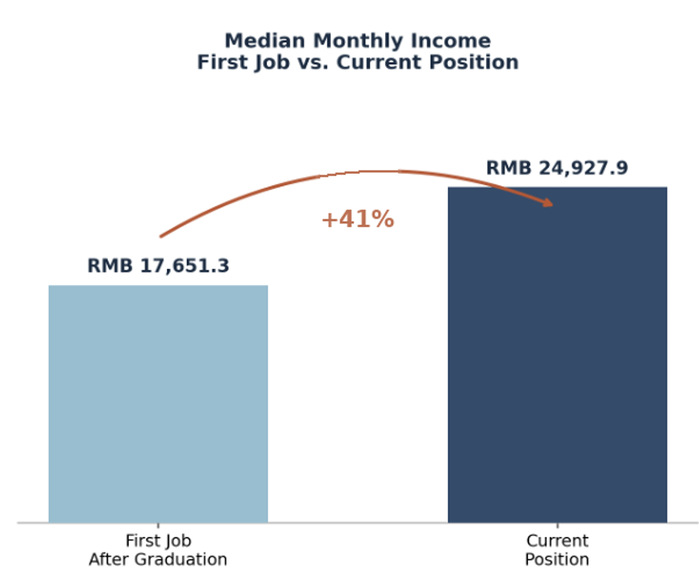
Figure 2. Median Monthly Income, First Job vs. Current Position
High marks for professional skills and overall competencies
Graduates rated their undergraduate preparation highly across a range of competencies, as shown in Figure 3. Among the graduates, 93.2% reported being satisfied or very satisfied with the global outlook, and 91.5% said the same of their foundation in science and technology. Between 92% and 95% of graduates also reported high satisfaction with the skills they developed in lifelong learning, interdisciplinary thinking, and innovation and exploration—with the share reporting they were “very satisfied” rising compared to the classes of 2018 and 2019. Graduates who went directly into the workforce with only a bachelor’s degree rated their problem-solving ability most highly, while those who later pursued graduate study rated their capacity for lifelong learning most highly.
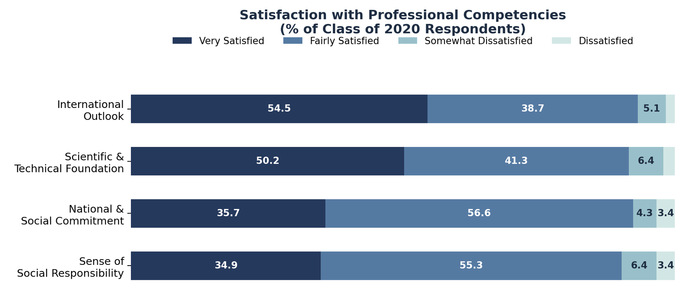
Figure 3. Satisfaction with Professional Competencies (% of Respondents)
High satisfaction with the undergraduate experience, and a strong sense of personal growth
Overall, 68.2% of the Class of 2020 graduates said they were satisfied with their performance during their undergraduate years. Asked to reflect in their own words on what they gained most from their time at ShanghaiTech, graduates most frequently cited the growth of their abilities, alongside a broadened worldview, professional knowledge, research literacy, and career development.
One graduate from the Electronic and Information Engineering program described gaining “an extremely strong ability to learn independently, and to solve problems.” A graduate from the Biological Sciences program said the experience left them with “a more open mind, critical thinking, and the capacity for lifelong learning.”